

If you’ve been following the news recently, you’ve probably noticed there’s been a lot of talk about tick bites. Every year, as the weather warms up, headlines about ticks seem to appear everywhere and it’s enough to make anyone think twice about heading out on a countryside walk.
But here’s something that might reassure you. Tick bites don’t usually hurt.
That’s not to say you should ignore them. Ticks can carry diseases, so it’s important to remove them properly and keep an eye on the bite afterwards. But if you’re avoiding woodland walks or long grass because you’re worried a tick bite will be painful, hopefully this guide will put your mind at ease.
After all, our dogs (and owners) shouldn’t miss out on exploring the great outdoors because of something that can usually be dealt with quickly and safely.
Do tick bites hurt?
In most cases, no.
One of the reasons ticks are so successful is because you generally don’t feel them bite. When a tick attaches itself, it releases saliva containing substances that numb the skin while it feeds. That’s why many people only discover a tick hours or even days later.
You might notice:
- Nothing at all while the tick is attached
- A small red mark after it’s removed
- Mild itching or irritation afterwards
For most people and dogs, the bite itself isn’t painful.
My experience with a tick bite
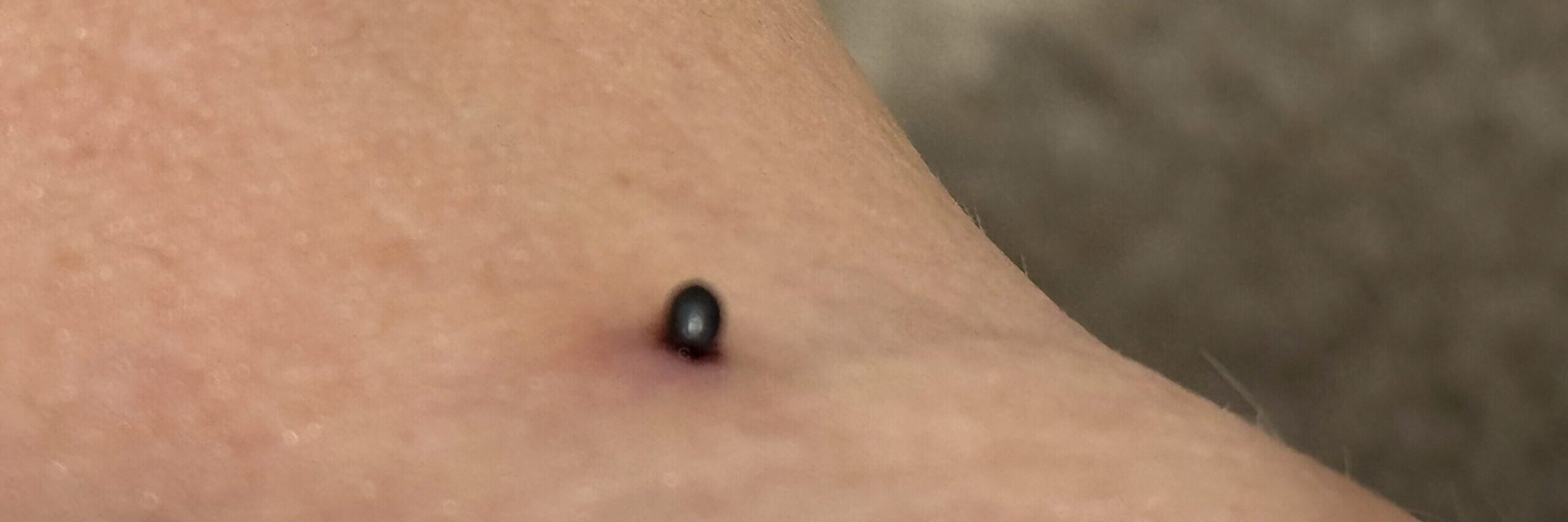
I’ll be honest, I’m normally scared of anything that bites, stings, or looks at me in the wrong way. So finding a tick attached to the back of my knee last year wasn’t exactly my idea of fun.
The funny thing is, I know exactly when it happened.
We’d spent the weekend in the South Downs (which is well known for having a lot of ticks) and I’d been rolling around in the long grass taking photos of dogs without a care in the world. Looking back, I probably couldn’t have made myself a more appealing target for ticks if I’d tried!
These are some of the pictures I got though… So worth it 🤭


What is crazy is that it had actually been there for around three days before I noticed it. I hadn’t felt it bite, I hadn’t felt it feeding, and I had absolutely no idea it was there until I happened to spot it.
Don’t get me wrong, it was gross 😷
But I removed it safely, it healed without any issues and that experience really drove home the fact that tick bites themselves don’t actually hurt.
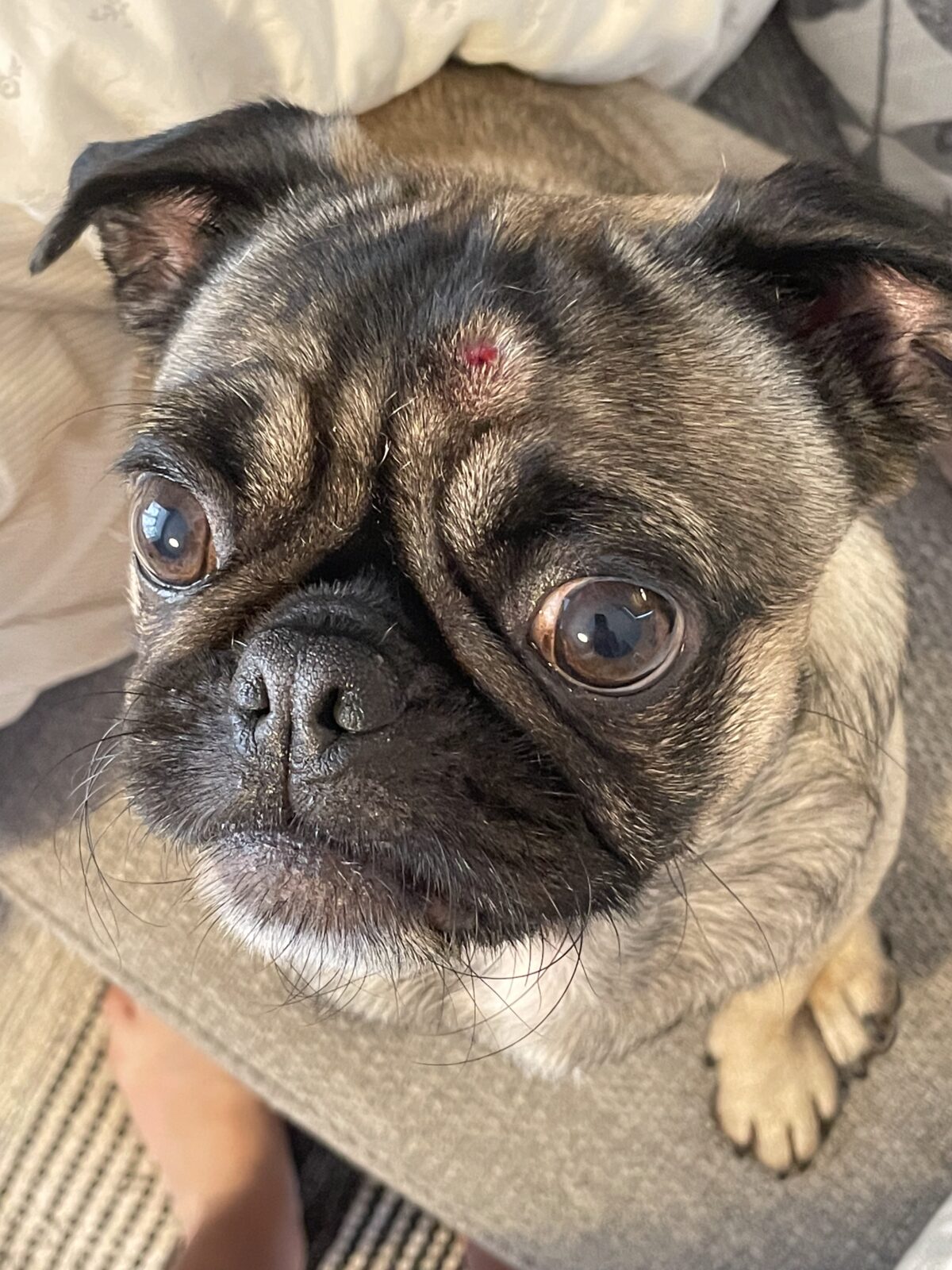
The first tick we found on our dog
Finding a tick on myself wasn’t actually my first experience with one. That honour goes to my first dog, Oscar.
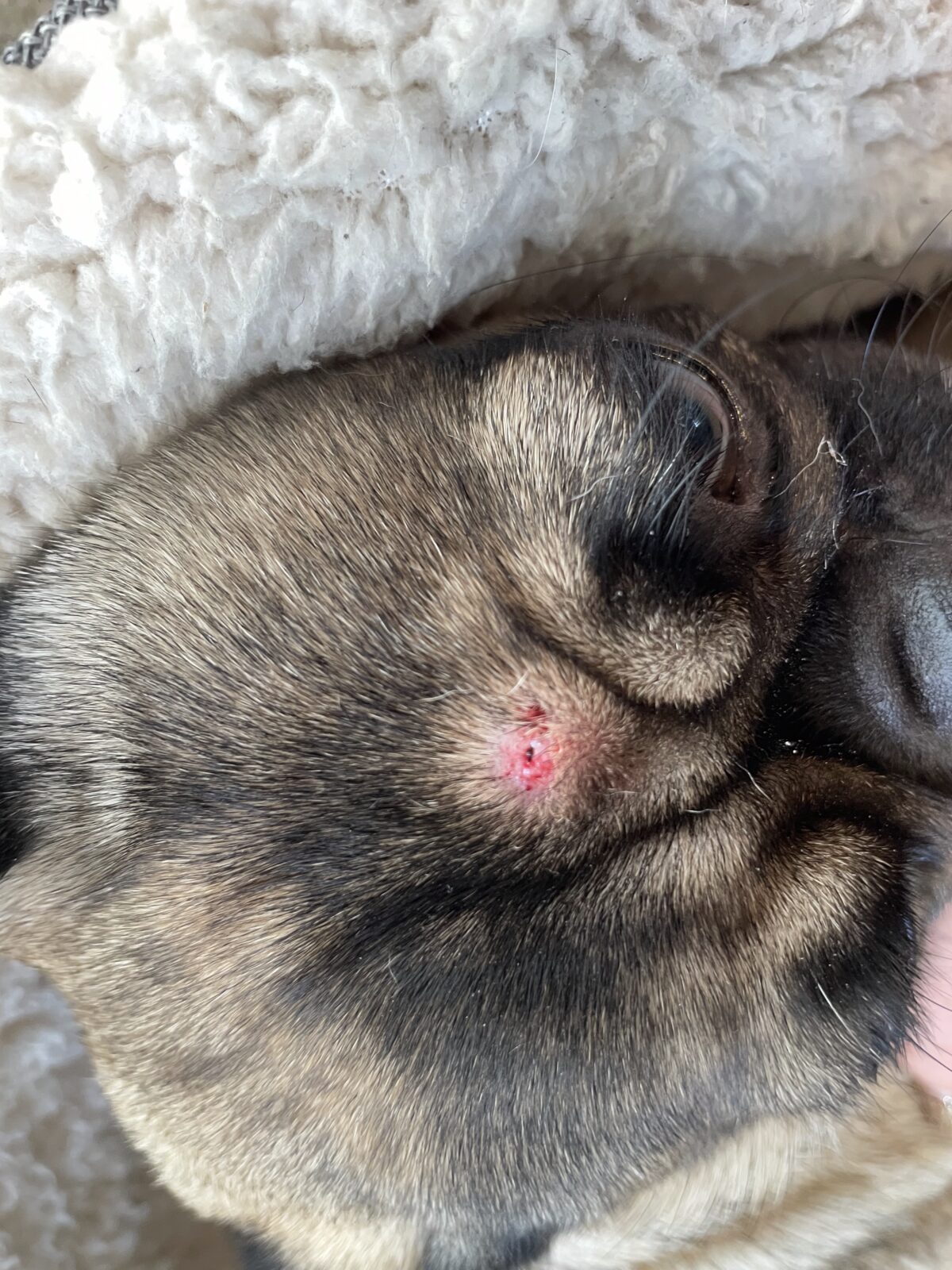
A few years earlier, we found a tick attached to the top of his head after a walk. At the time, we didn’t own a tick removal kit, so all we had was a pair of tweezers.
To be honest, we made a right mess of it, as you can see from the photos.
We got the tick out in the end and Oscar was absolutely fine. It didn’t come to anything, but it was quite a scary experience because we had no idea what we were doing. Trying to remove something so tiny with a pair of tweezers, while also worrying about hurting your dog, isn’t easy.
Ever since then, I’ve always kept a tick removal kit at home. Even if you’ve never found a tick before, I’d really recommend buying one and popping it in your dog walking bag or first aid kit. Hopefully you’ll never need it, but if you do, you’ll be so glad it’s there. Even now, after removing quite a few ticks over the years, I still wouldn’t use tweezers. They’re just too fiddly. A proper tick removal tool makes the whole process quicker, easier and far less stressful for both you and your dog.
How to remove a tick safely
Whether you’ve found a tick on yourself or your dog, the advice is the same. The safest way to remove one is with a tick removal tool. We recommend this one as a simple solution, or this one if you want to be covered for every eventuality. Neither are expensive and both are well worth it.
Avoid squeezing the tick’s body with your fingers or tweezers if possible, as this can increase the chance of leaving parts of the tick behind or causing it to regurgitate its stomach contents into the bite. Instead:
- Slide the tick remover underneath the tick, as close to the skin as possible.
- Lift or twist gently, depending on the type of tool you’re using.
- Remove the tick slowly and steadily.
- Clean the bite with soap and water or an antiseptic.
- Wash your hands afterwards.
If you’re removing a tick from your dog, try to keep them calm and reward them afterwards with a treat.
What should you do after a tick bite?
Most tick bites heal without causing any problems. However, it’s worth keeping an eye on the area over the following few weeks.
For humans, contact your GP if you develop symptoms such as:
- A spreading circular or “bullseye” rash
- Flu-like symptoms
- Fever
- Headaches
- Muscle or joint pain
These can sometimes be signs of Lyme disease, which is much easier to treat when caught early.
For dogs, speak to your vet if they seem unusually tired, go off their food, develop a fever or appear lame after a known tick bite.
Thankfully, serious complications remain uncommon, especially when ticks are removed promptly.
Don’t let ticks stop your adventures
The recent headlines can make ticks sound terrifying, but it’s worth keeping things in perspective. Yes, it’s sensible to be aware of them. Yes, it’s important to know how to remove one properly. But no, I wouldn’t let the possibility of a tick bite stop you from enjoying walks with your dog.
As someone who is terrified of anything that crawls, bites or stings I was genuinely surprised to discover I’d had a tick attached for three days without even noticing. So please don’t worry about the ‘pain’ of a tick bite.
If you’re planning countryside adventures, these guides will help:
- Where to check your dog for ticks after a walk – A head-to-tail guide showing the most common hiding places.
- How to avoid ticks on walks – Practical tips to reduce the chances of you or your dog picking one up.
Together with this guide, you’ll know how to prevent tick bites where possible, spot them quickly and remove them safely if you do find one.


Peace of mind from the unexpected
The reality is that most tick bites don’t lead to serious illness, especially when the tick is removed promptly and you know what symptoms to look out for afterwards.
That said, ticks can carry diseases such as Lyme disease in people and, more rarely in the UK, diseases that affect dogs too. While the overall risk remains low, it’s one of those situations where it’s reassuring to know you’re covered if your dog ever needs veterinary treatment.
That’s one of the reasons we partner with Petgevity. Their policies are designed to give dog owners peace of mind when the unexpected happens, whether that’s an injury on a countryside walk, an unexpected illness or something else entirely.
Hopefully you’ll never need to claim, but if you do, having the right insurance means you can focus on getting your dog the treatment they need, rather than worrying about the cost.
If you’re looking for lifetime cover, DOG readers can also receive a £30 Amazon.co.uk Gift Card when taking out a Petgevity Lifetime Plus policy using our code Dogoguide30*