

Moving a dog to the United Kingdom is exciting – but it’s rarely simple.
Between strict entry requirements, detailed paperwork, and figuring out the safest way for your dog to travel, the process can feel overwhelming fast. It’s not just about booking a flight. It’s about timelines, compliance, and making sure everything is done in the right order so your dog can arrive without delays.
For most pet owners, the decision is already made – your dog is coming with you. The real question is how to make it happen safely, smoothly, and without unnecessary stress for both of you.
And while the steps are important, they only tell part of the story. Behind every checklist is a real journey: one that includes anxious goodbyes, long travel days, and the moment everything finally feels worth it when you’re reunited on the other side.
Here’s what the process of moving a dog to the UK actually looks like.
Taz’s Journey: Dog Travel to the UK from the US
Taz’s move began in the United States, where his family started planning the process of moving a dog from the US to the UK. Like most pet owners, they quickly realised that bringing pets to the UK involves much more than simply booking a flight. Because pets cannot fly into the UK cabin, there are additional transport requirements, strict timelines and a lot of coordination involved.
From organising paperwork to preparing for dog transport to the UK, every step played a role.
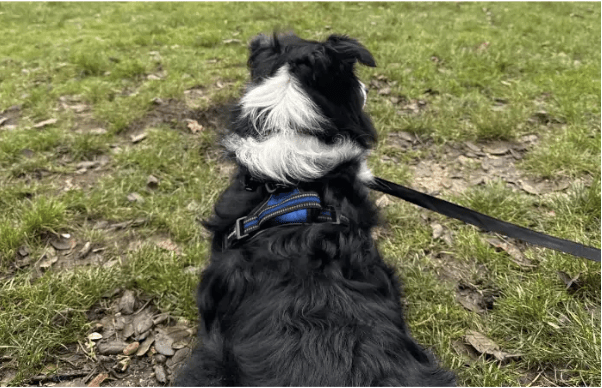
The goal was not just to complete the process, but to make sure Taz was comfortable and cared for along the way. When you are moving to England from the United States with dogs, those details matter.
Taz’s journey shows what dog travel to the UK actually looks like. There is the planning phase, the travel itself, and the adjustment period after arrival. It can feel overwhelming at times, but it is absolutely doable with the right preparation.
In the end, after everything involved in moving a pet from the US to England, Taz arrived safely and was reunited with his family. That moment made every step of the journey worth it.
The Reality of Dog Flights to the UK
Transporting a dog internationally isn’t just about booking a ticket. There are layers to it:
- Airline regulations (which vary by route, breed, and season)
- Health certificates and timelines (often requiring USDA endorsement in the U.S.)
- Crate compliance (strict sizing and safety standards)
- Entry requirements (microchip, rabies vaccine timing, and EU documentation)
For those taking dogs to the United Kingdom, one of the biggest surprises is how much timing matters. A single date misalignment like a vaccine given too early or late can delay travel significantly.
Another major surprise for many pet owners is that dogs cannot fly into the UK in the cabin. Pets entering the UK by air must travel as manifest cargo, even if they are small dogs that would normally qualify for cabin travel on other international routes.
This is often one of the most emotional parts of the process for owners, as many people only discover the rule after they begin researching pet travel to the UK.
While the cargo label can sound alarming, pets are transported in a specialised, temperature-controlled area of the aircraft designed specifically for animal travel.
When It’s Not Just One Pet Going to the UK
Now imagine not one pet…but eighteen.
One family relocating to the UK faced exactly that: a mix of dogs and cats spread across multiple households, all needing to arrive safely.
What stood out most wasn’t just the logistics – it was the coordination:
- Multiple vet visits across locations
- Carefully timed paperwork for each animal
- Ground transport to and from airports
- Real-time updates to reassure a very anxious family
When the pets finally arrived, each one was greeted individually – photos sent, tails wagging.
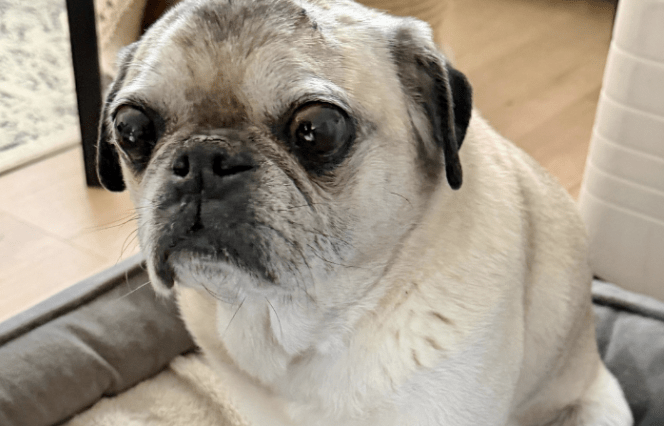
It wasn’t just a relocation. It was a full-scale reunion.
What Pet Transport to the UK Actually Involves
Whether you’re moving one dog or several, the process generally follows a similar structure:
1. Planning (Weeks in Advance)
The United Kingdom has strict import rules, and most moves require at least 4+ weeks of preparation.
2. Veterinary & Documentation
This includes:
- ISO-compliant microchip
- Rabies vaccination (after microchip)
- USDA-endorsed health certificate
- Additional treatments depending on destination (like tapeworm treatment for some countries)
3. Travel Logistics
This is where things get complex:
- Selecting pet-friendly flight routes
- Ensuring crate compliance
- Managing layovers and temperature restrictions
4. Arrival & Reunion
Once landed, pets go through customs clearance before being reunited with their families – often the most emotional part of the entire journey.
A Golden Retriever’s Long Way Home
For one senior golden retriever, the move to London included a multi-leg journey across continents. At 15 years old, he wasn’t just traveling – he was trusting.
After landing, his first moments were simple: water, fresh air, and familiar scent. Then came the reunion.
His family described it as quiet but deeply emotional. No dramatic reaction, just closeness. A reminder that for older dogs especially, comfort matters more than anything.

What Pet Parents Wish They Knew Before Taking Dogs to the UK
Across different moves, a few themes come up again and again:
- Start earlier than you think
Timelines can shift quickly, especially with vet appointments and document approvals. - Every country is different
France, Ireland, Spain, and the UK all have unique rules – even within the EU. - Crate training is everything
A familiar, comfortable crate makes a huge difference in reducing stress during travel. - Expect the unexpected
Weather delays, airline changes, or paperwork issues can happen. Flexibility is key.
Want a Deeper Breakdown?
If you’re planning your own move, this podcast walks through the process step-by-step—from early planning to arrival day:
👉Pet Travel Insider: Complete United Kingdom Pet Shipping Guide
What to Expect When Taking Your Dog to the UK
Relocating a dog to the UK isn’t just a logistical challenge… it’s an emotional one.
It’s early mornings at the vet. Double-checking documents. Wondering how your dog will handle the journey. But on the other side of it is something simple and powerful: your dog, back with you, in a completely new place that will eventually feel like home.